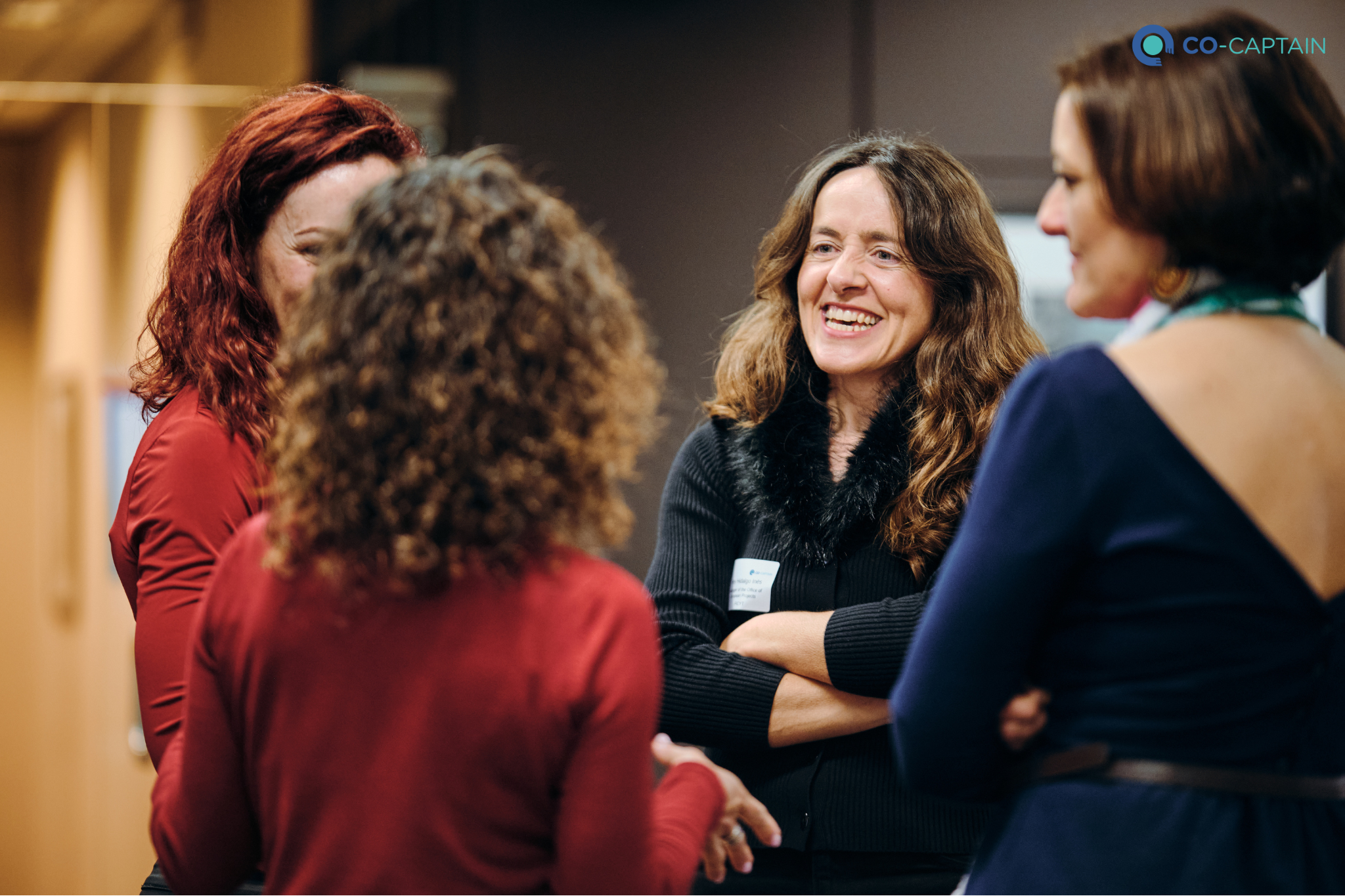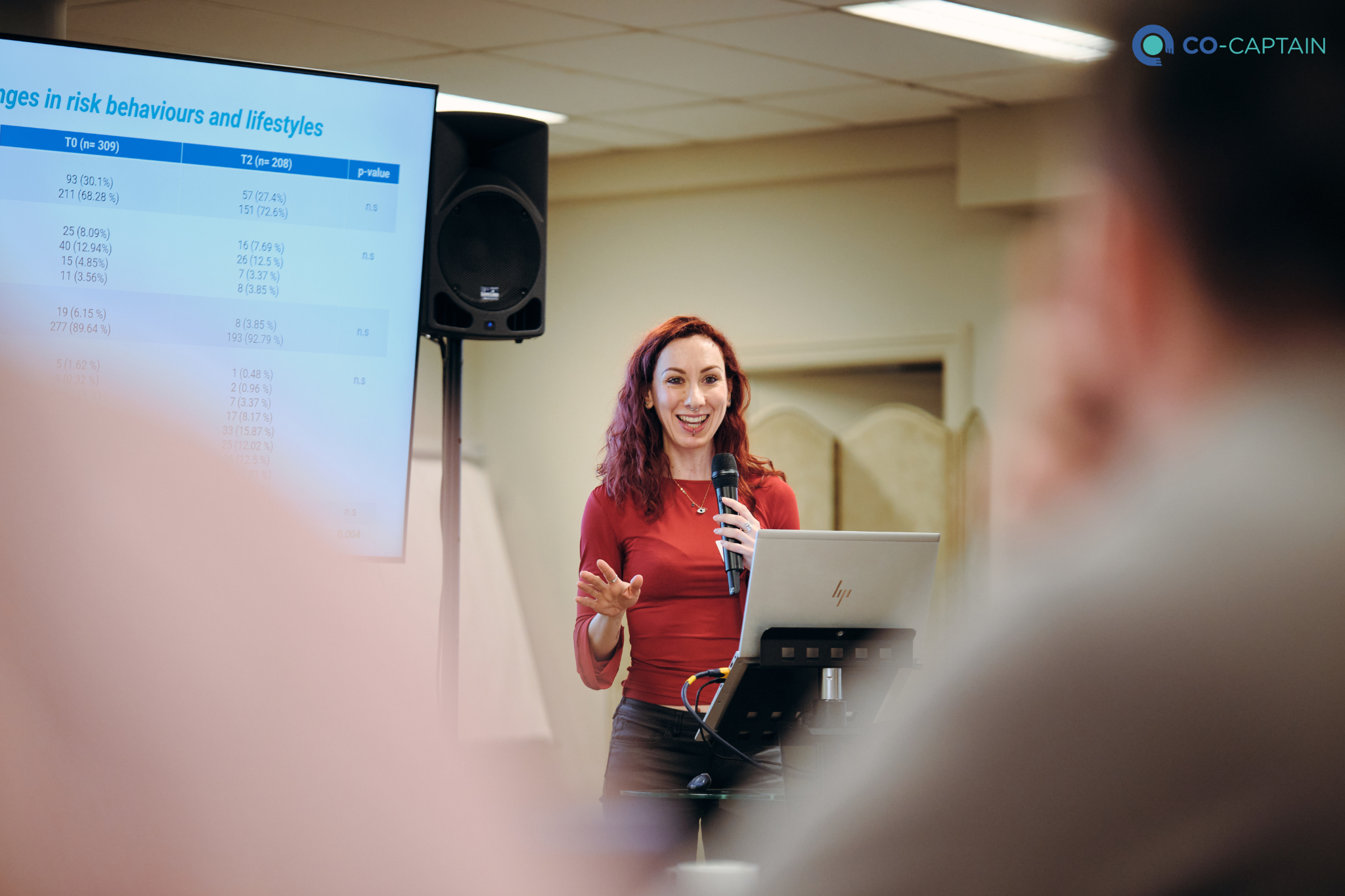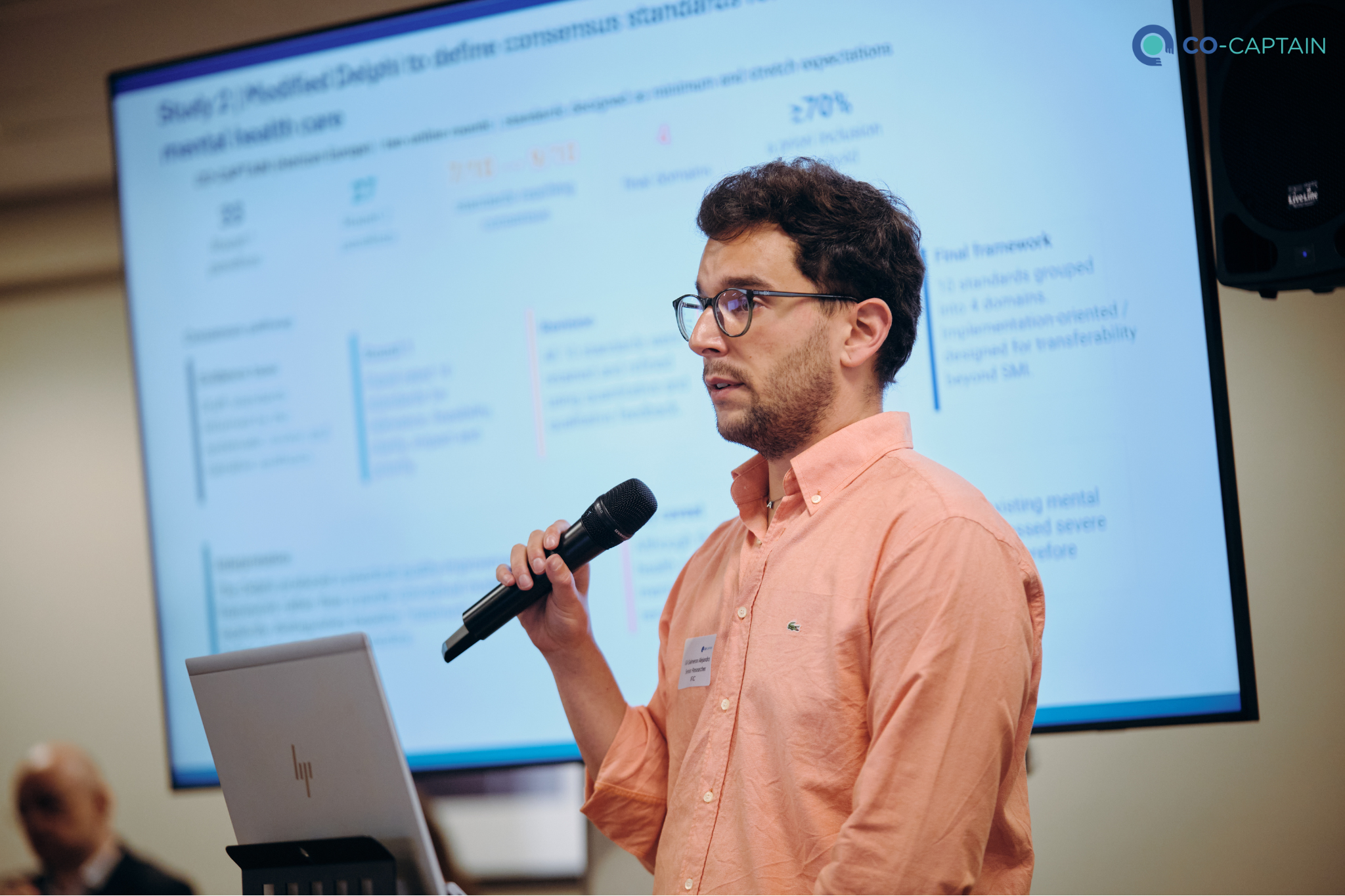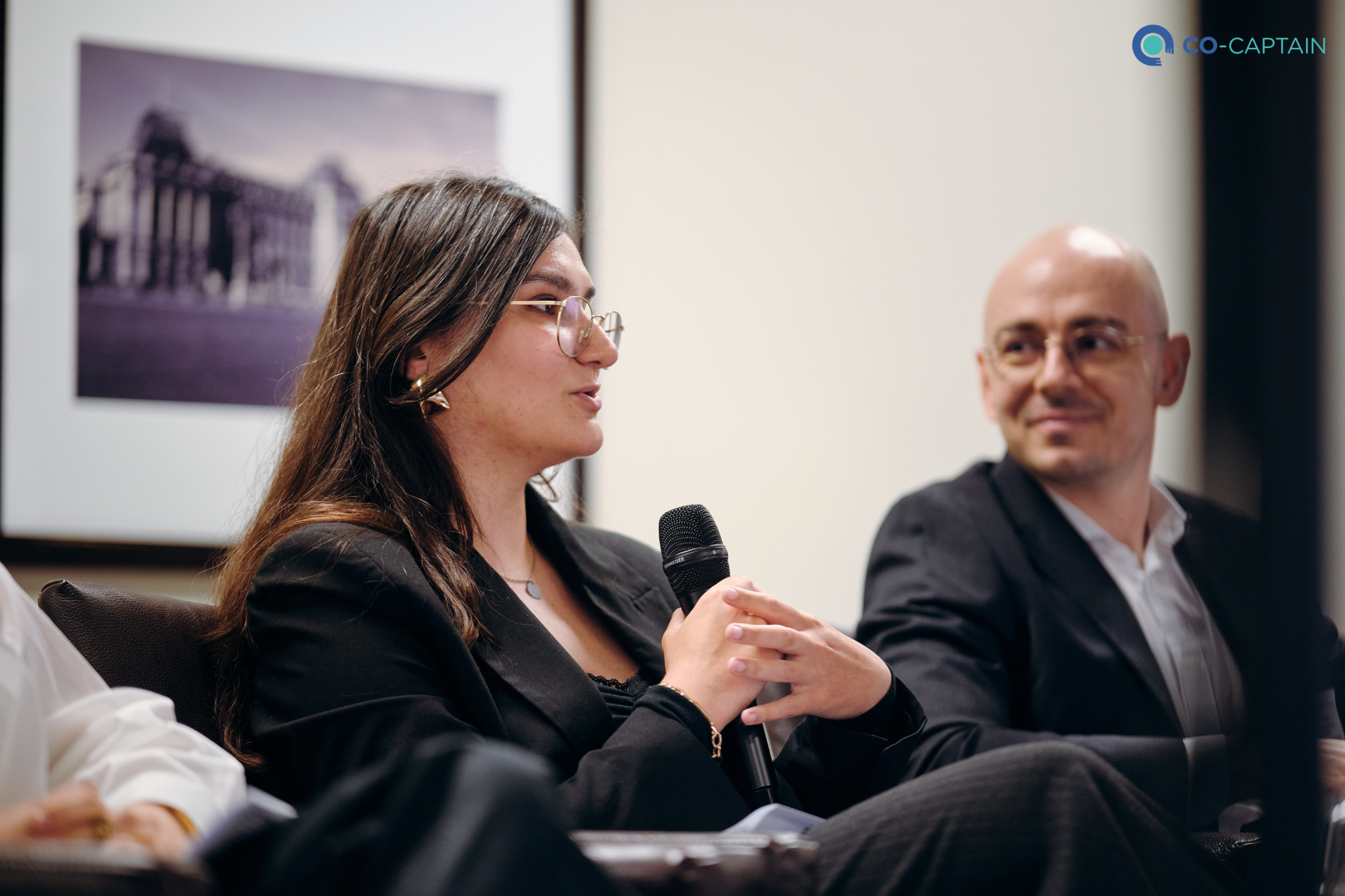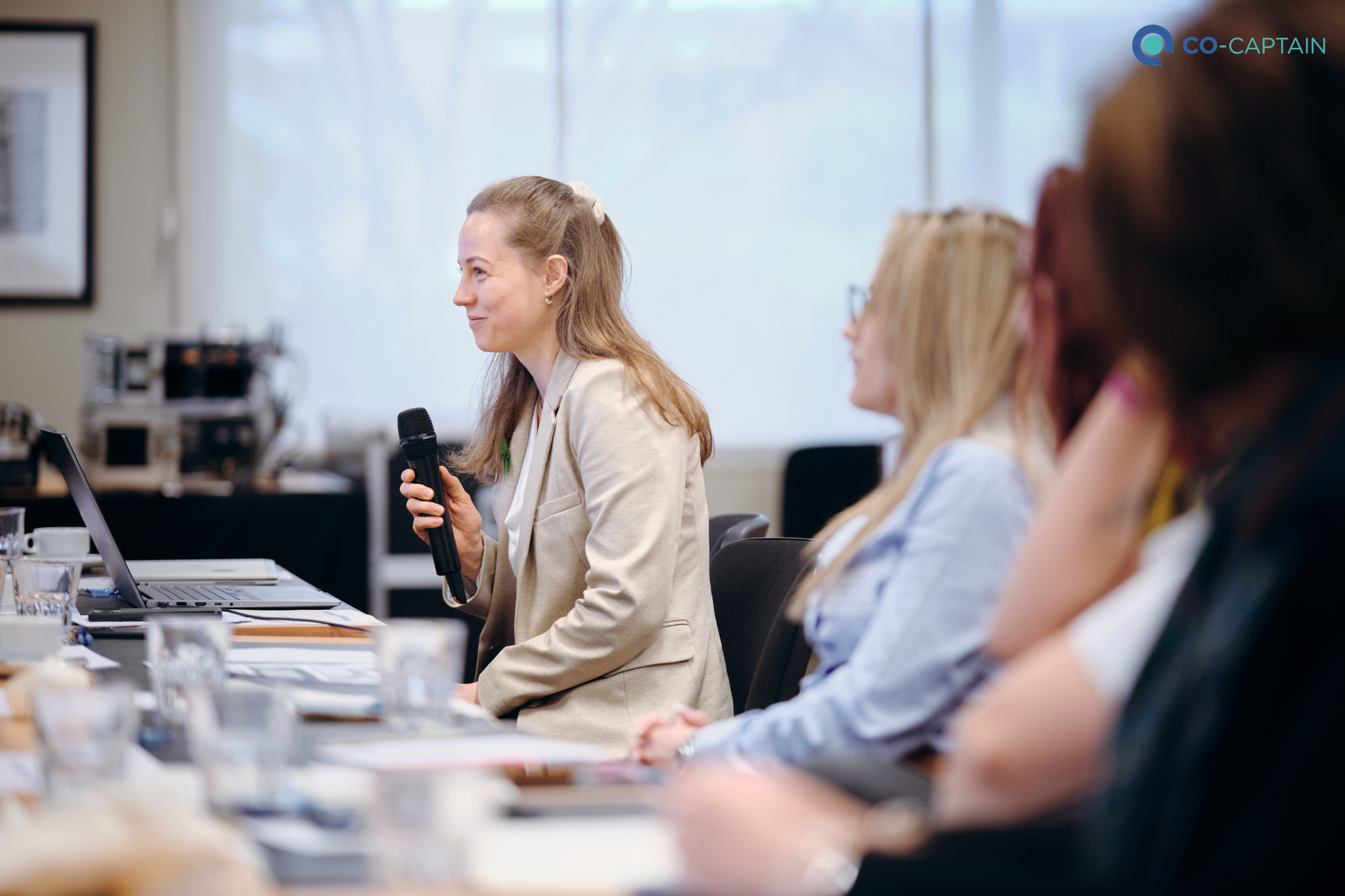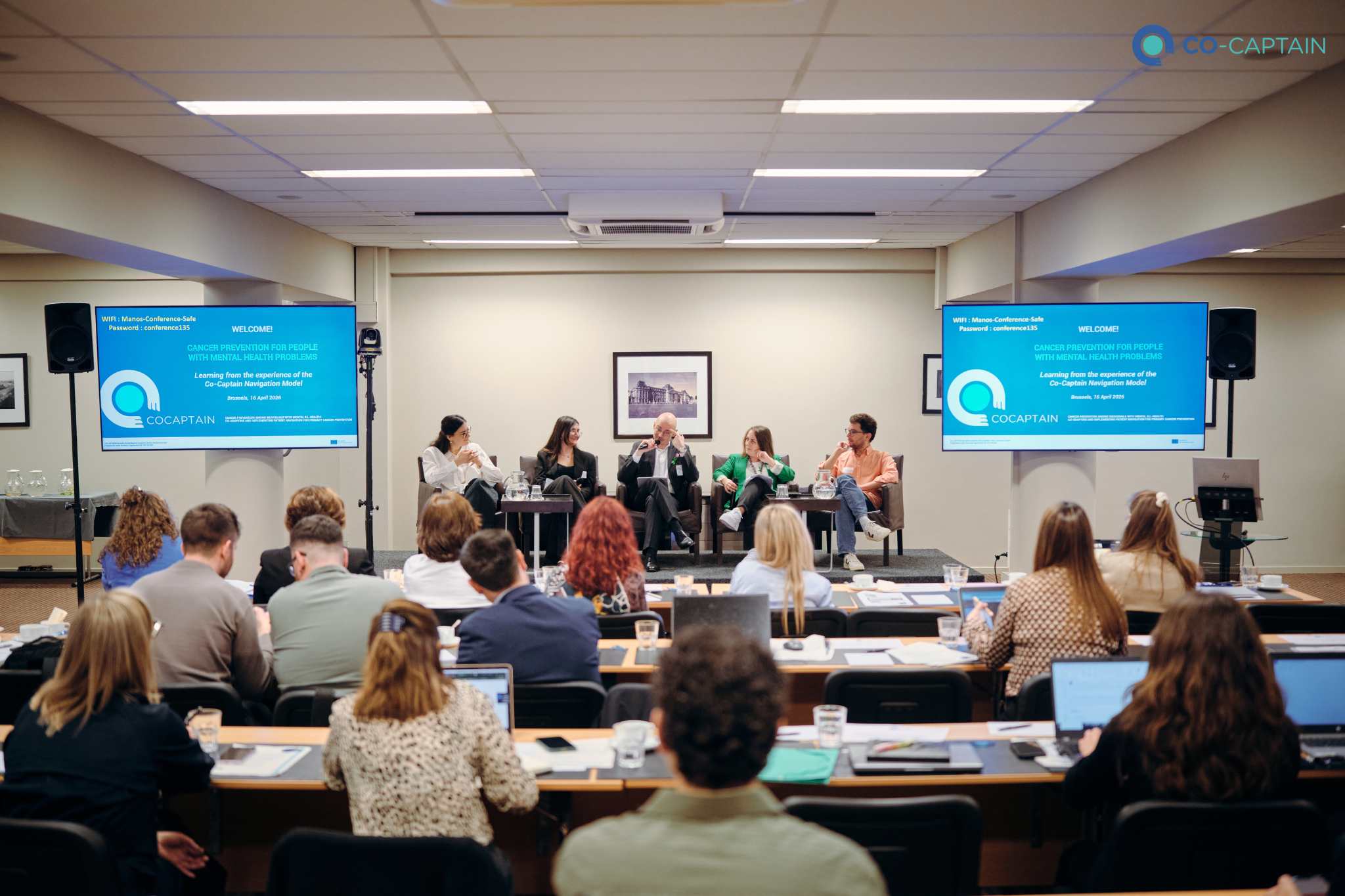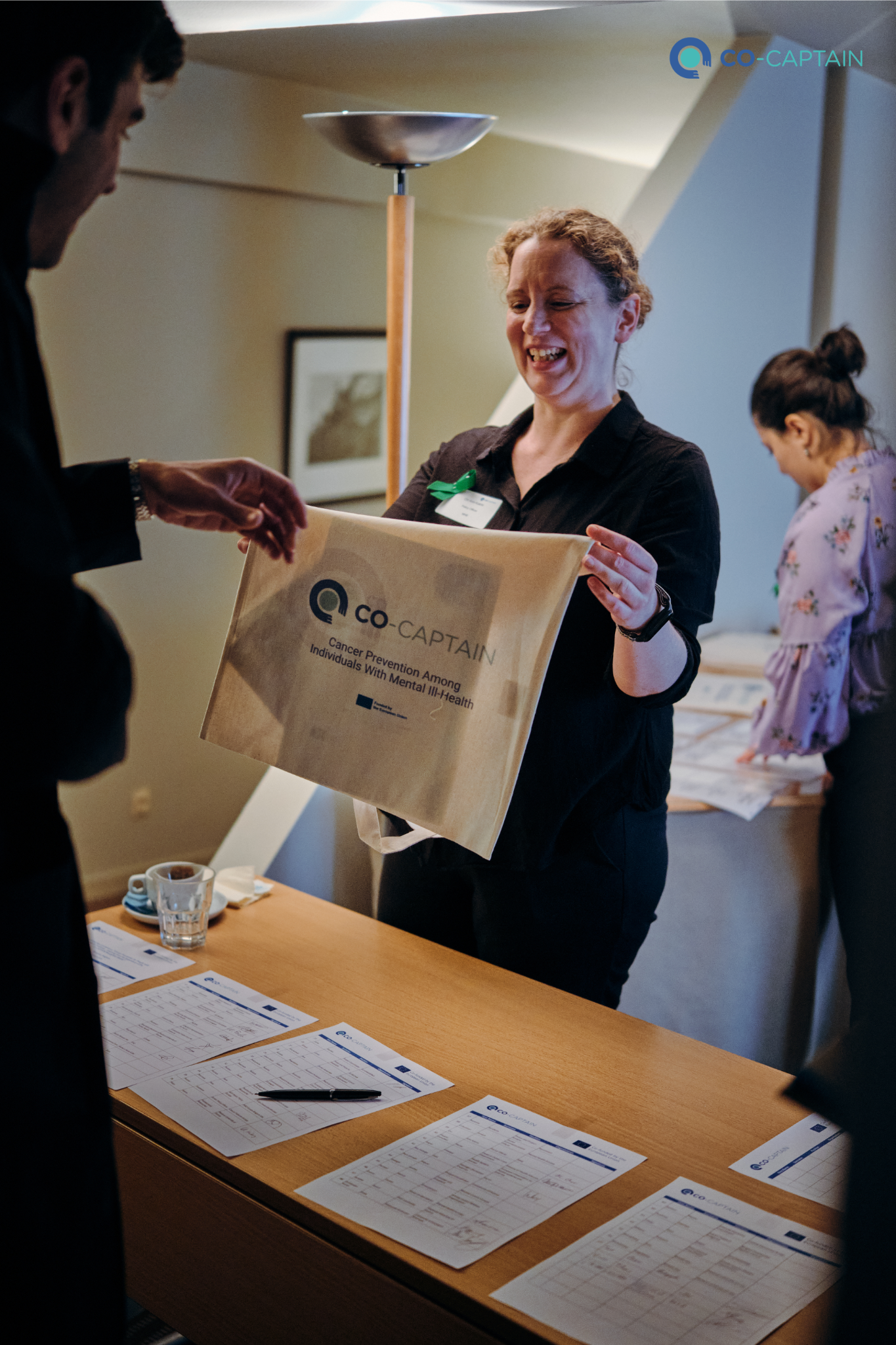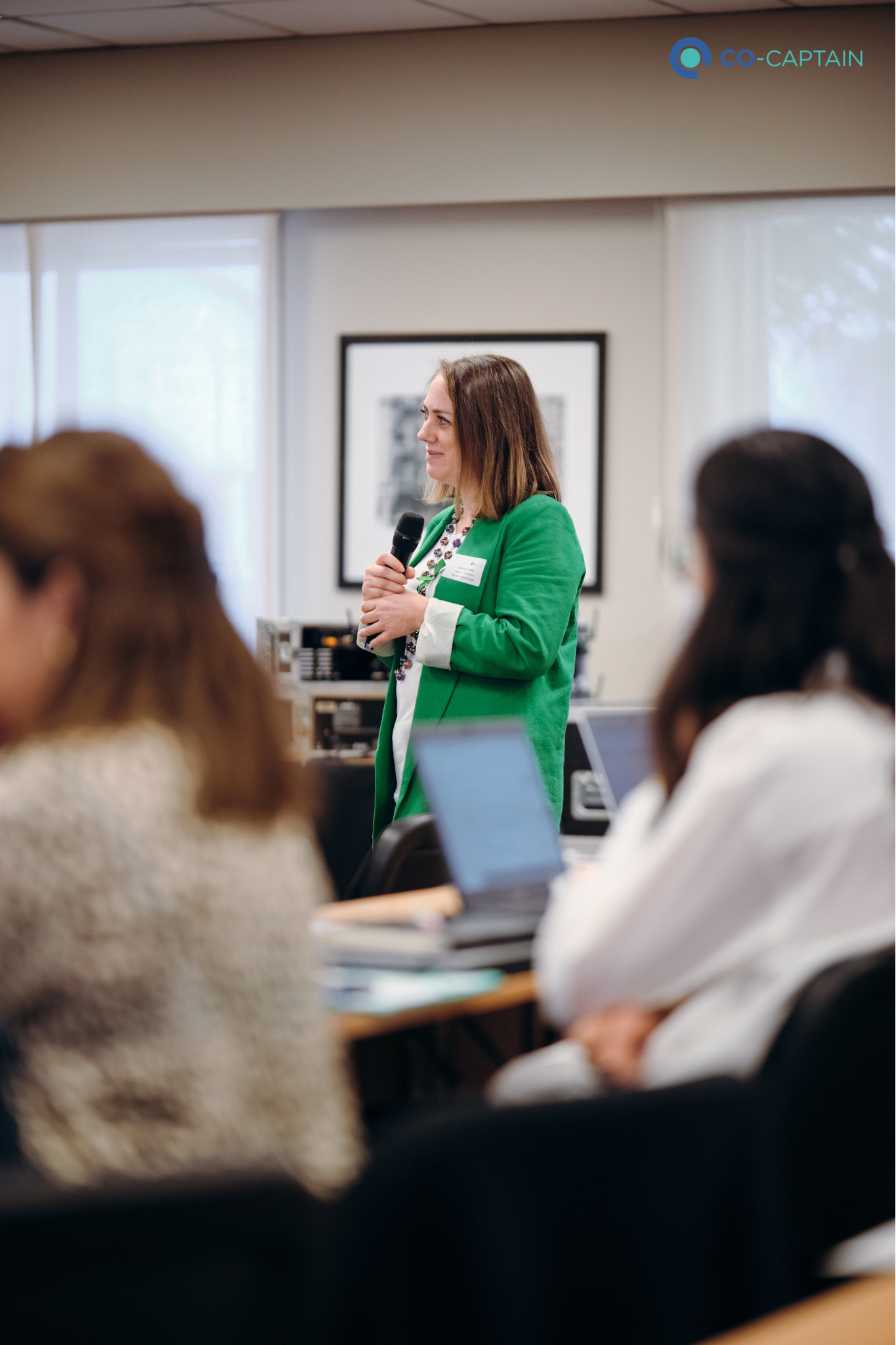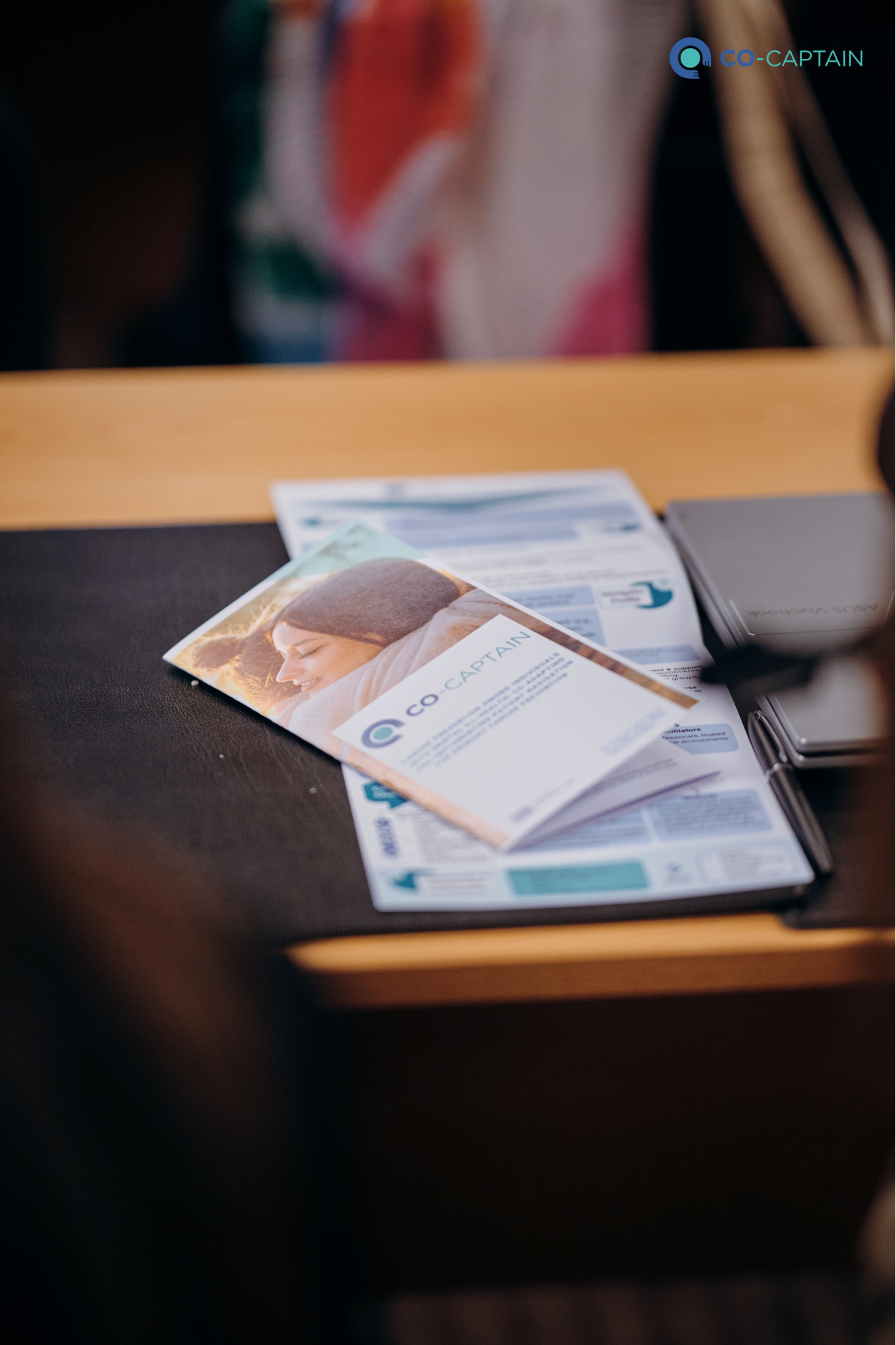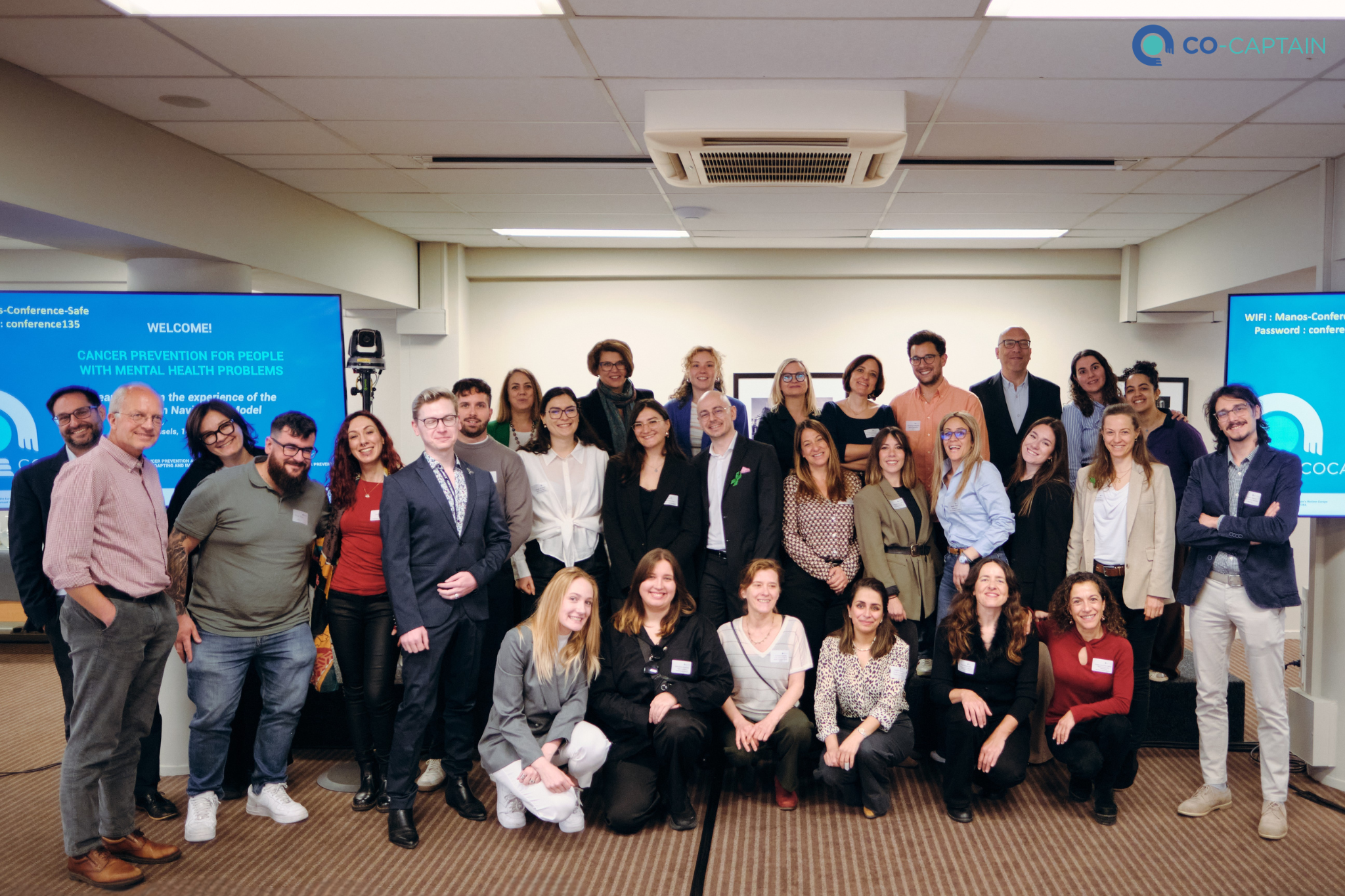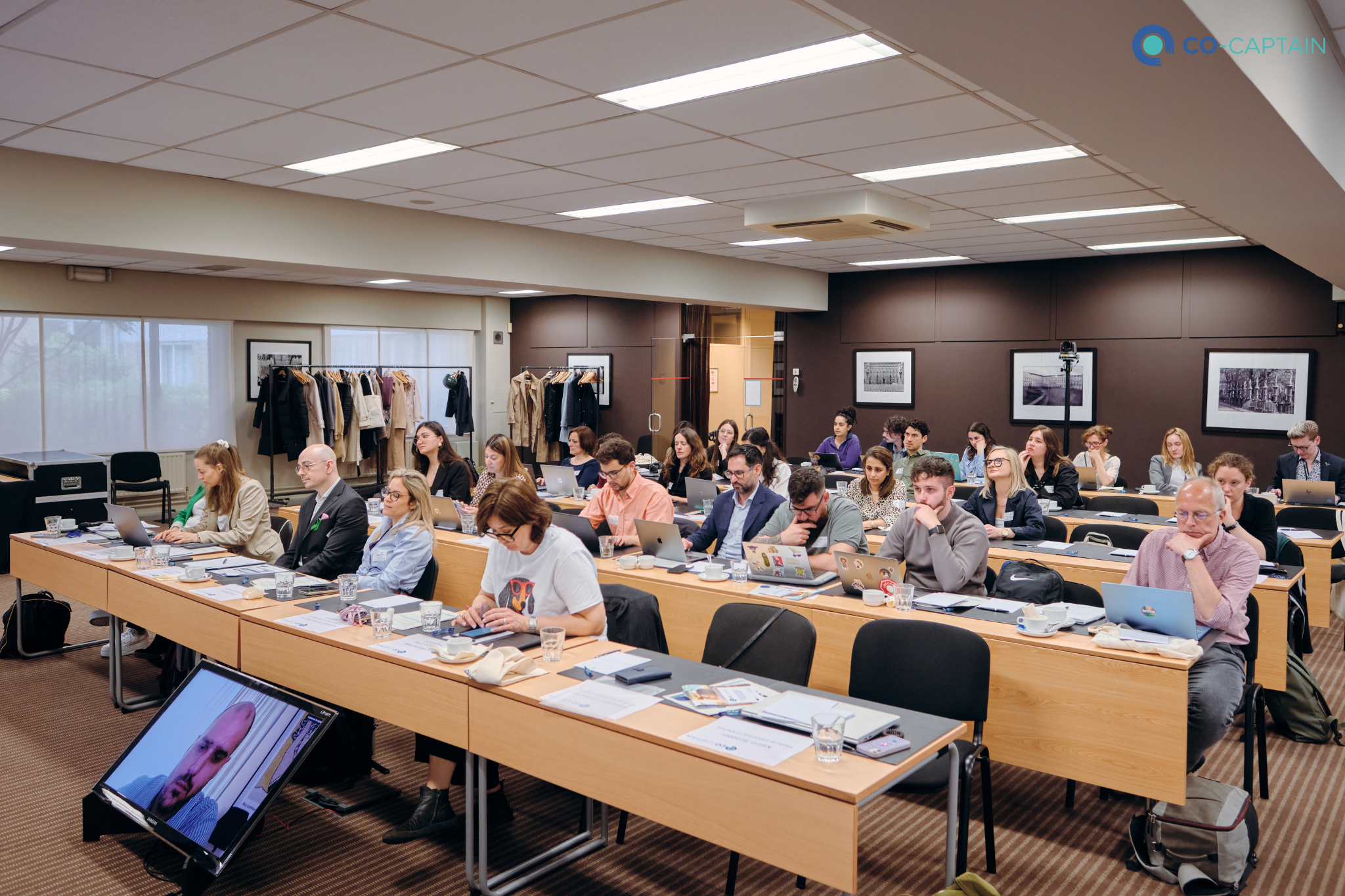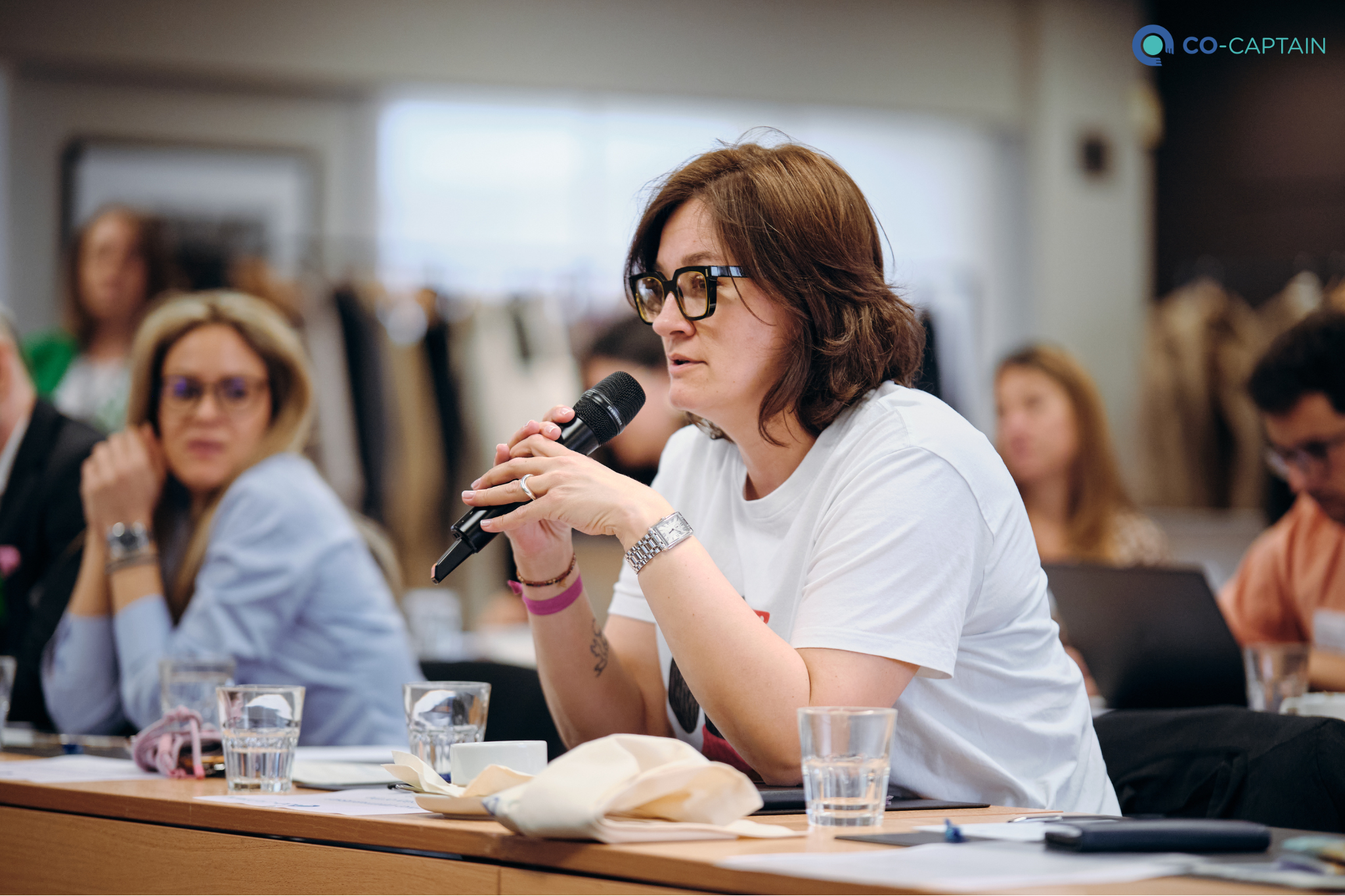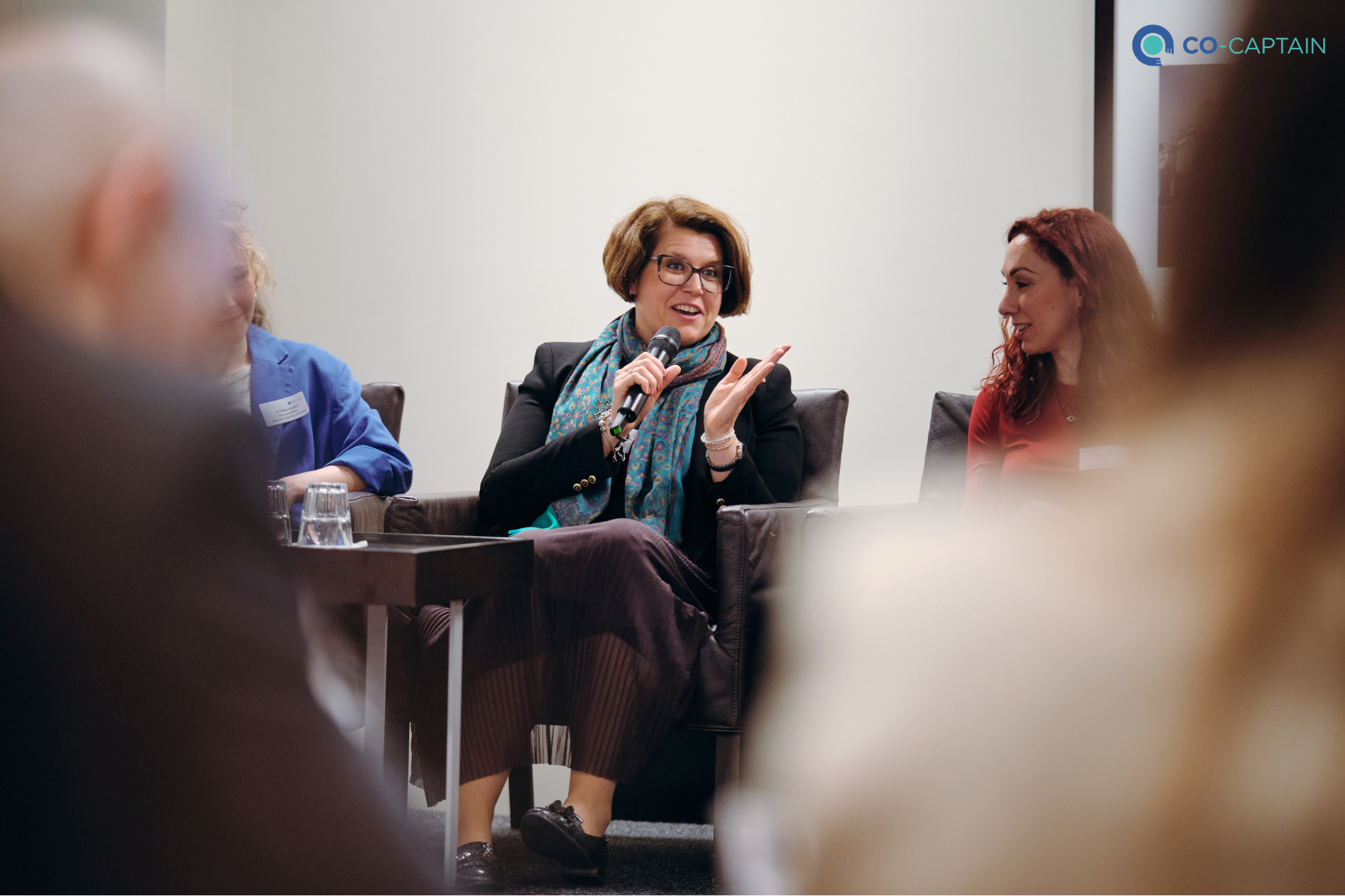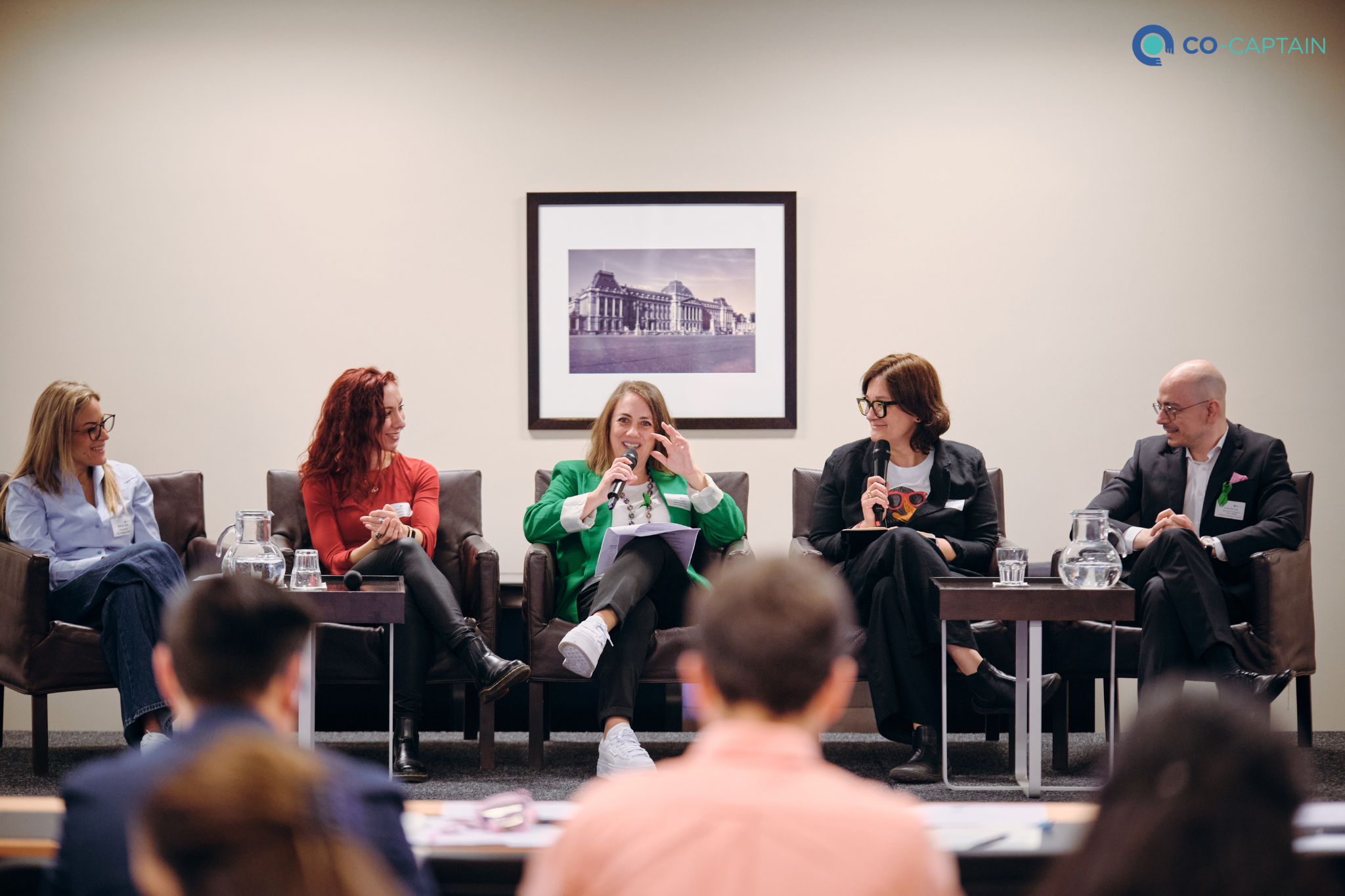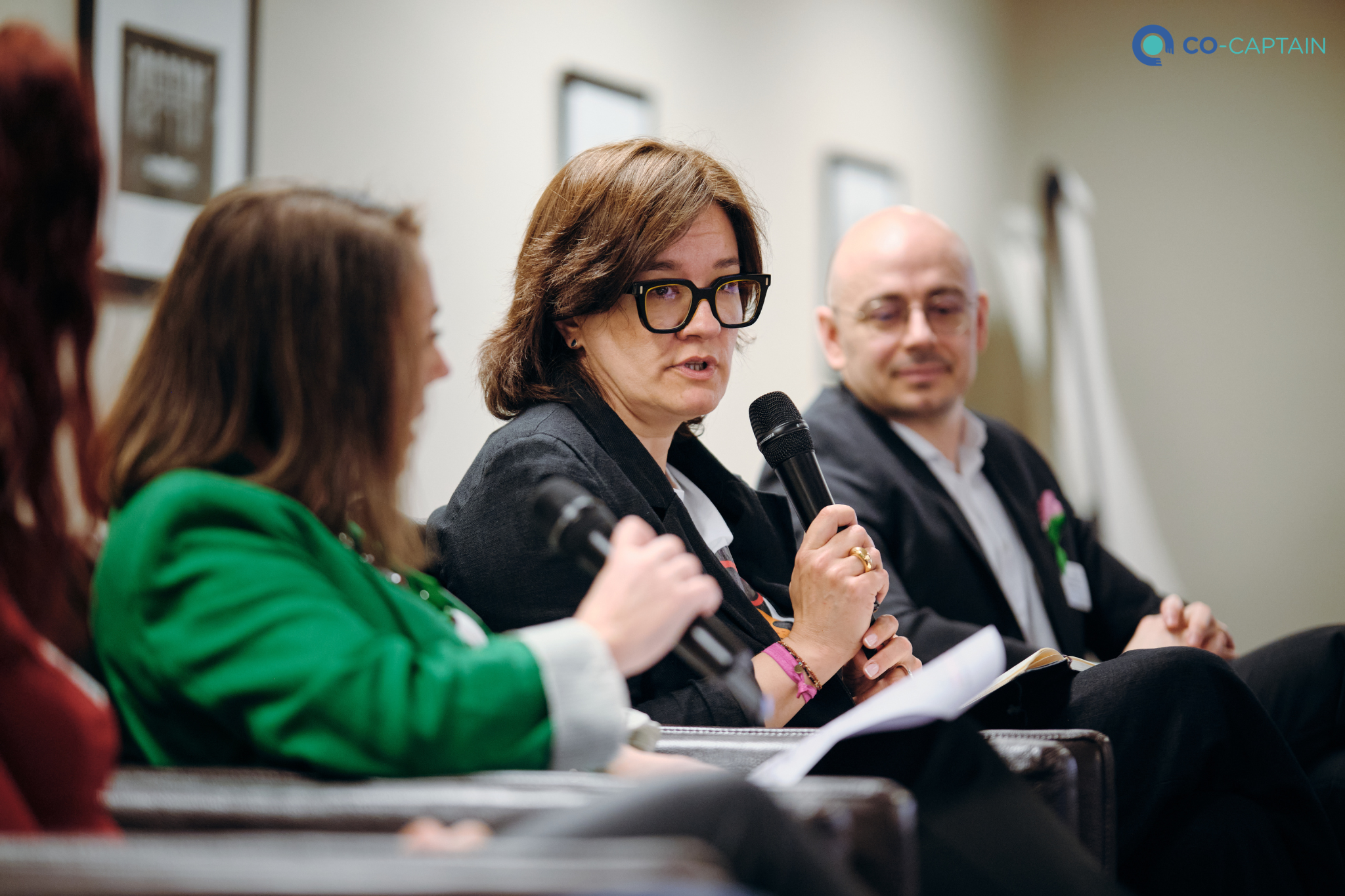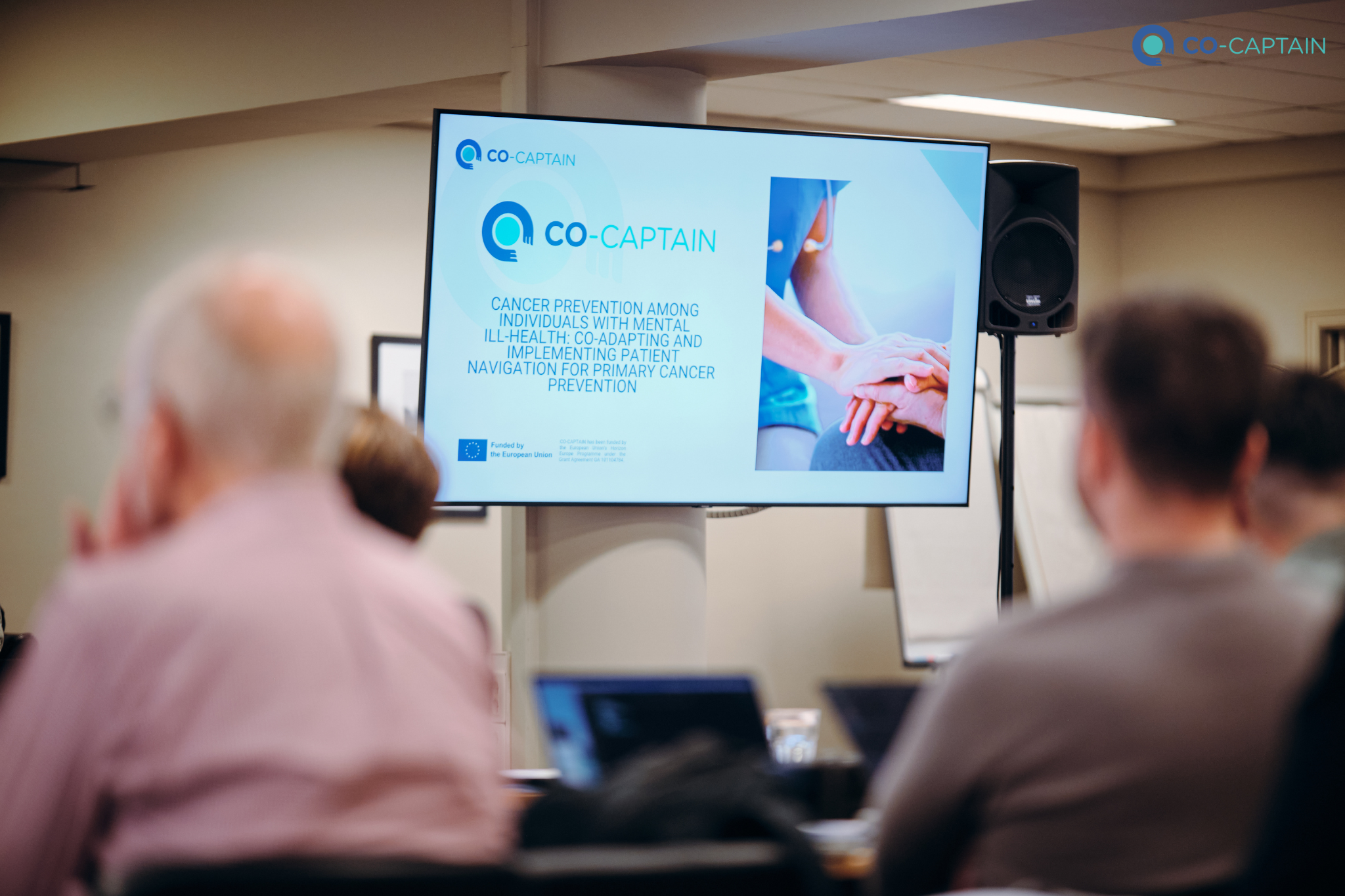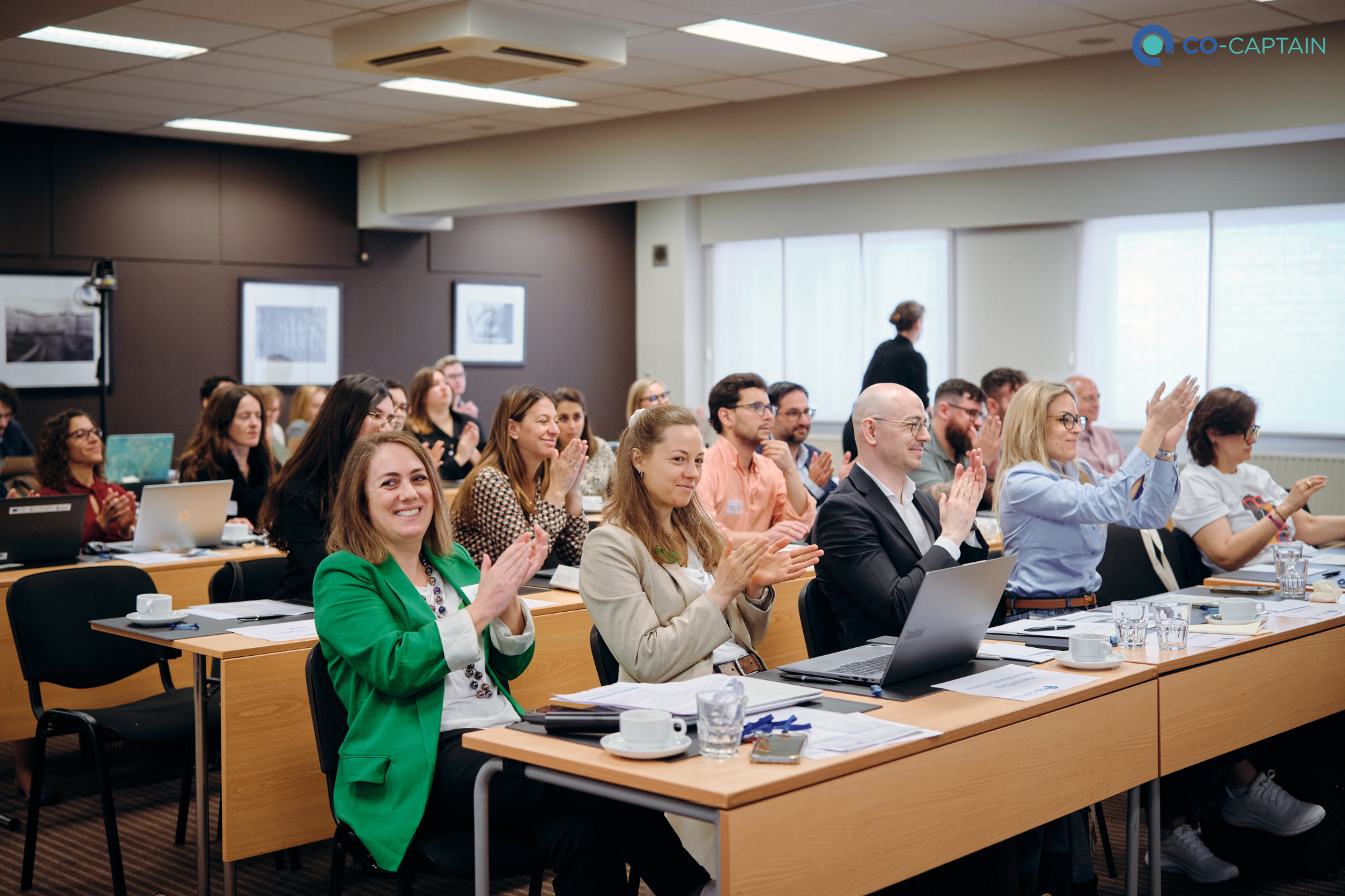


On 16 April 2026, the CO-CAPTAIN project held its Final Conference in Brussels (Belgium), organised by Mental Health Europe in close collaboration with the project consortium. The hybrid event gathered a total of 66 participants, both in person and online, confirming strong interest in advancing more inclusive approaches to cancer prevention across Europe.
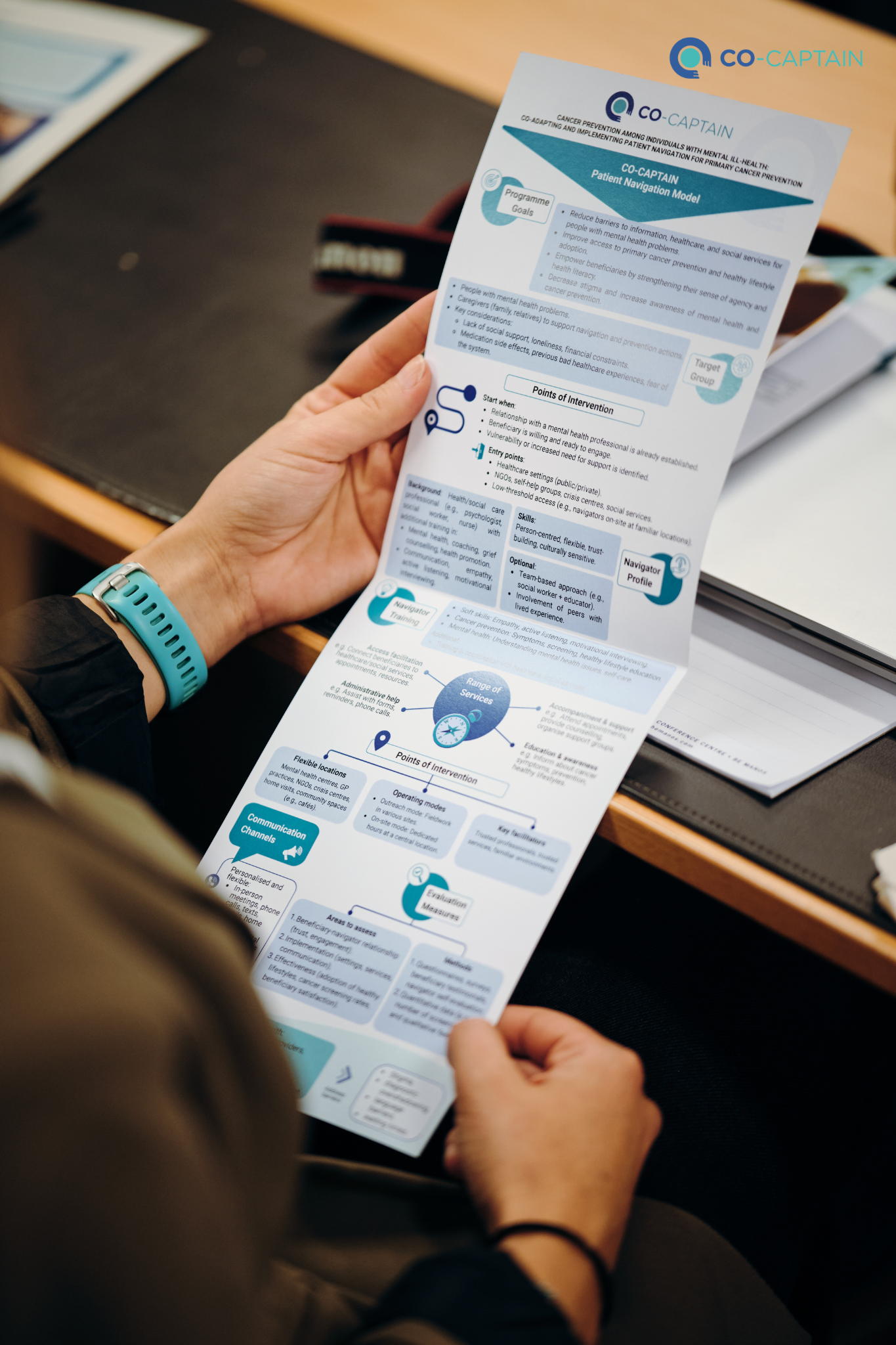
Under the title “Cancer Prevention for People with Mental Health Problems: Learning from the experience of the CO-CAPTAIN Navigation Model”, the conference provided a platform to present the project’s main results and reflect on future directions.
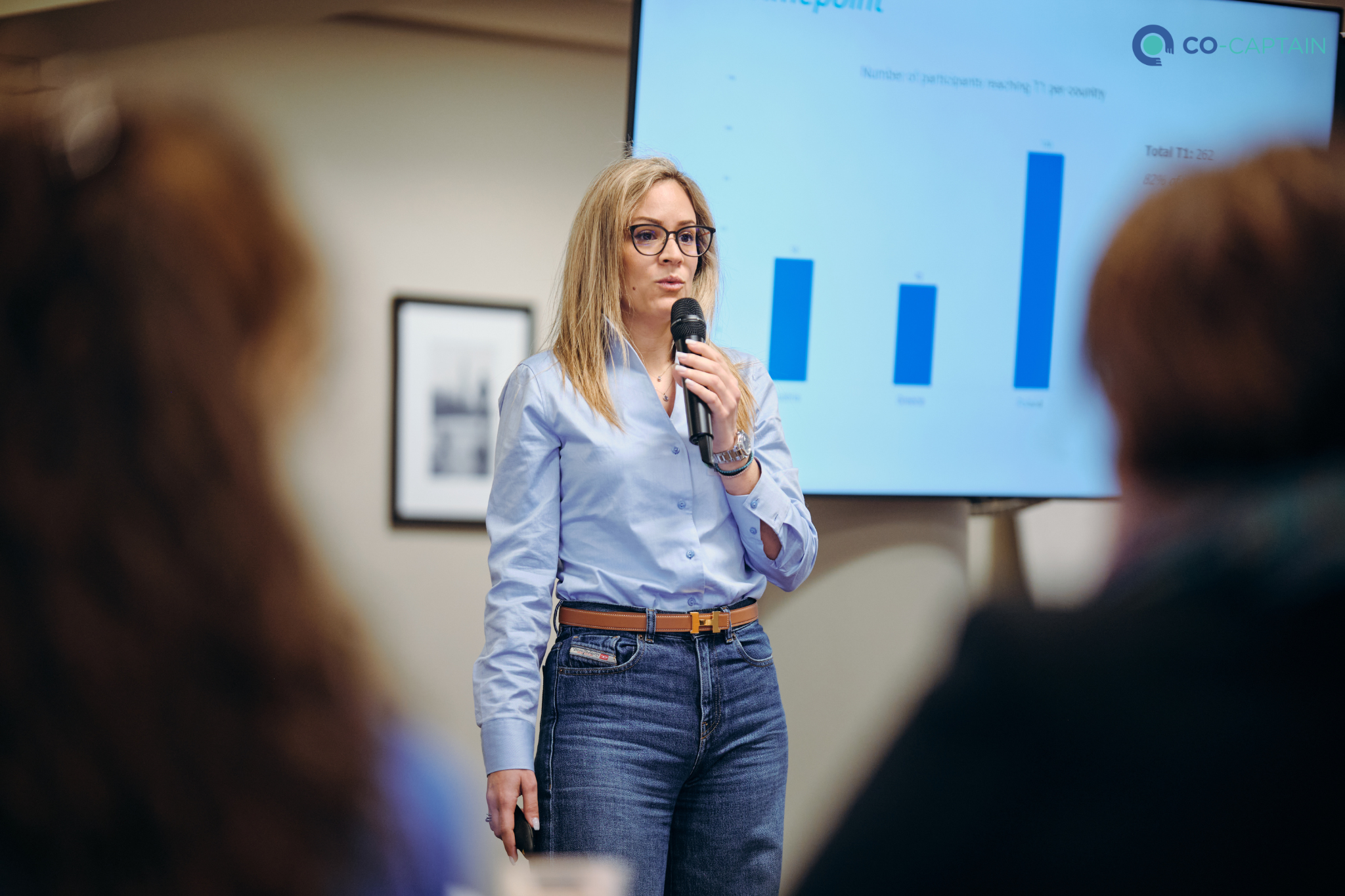
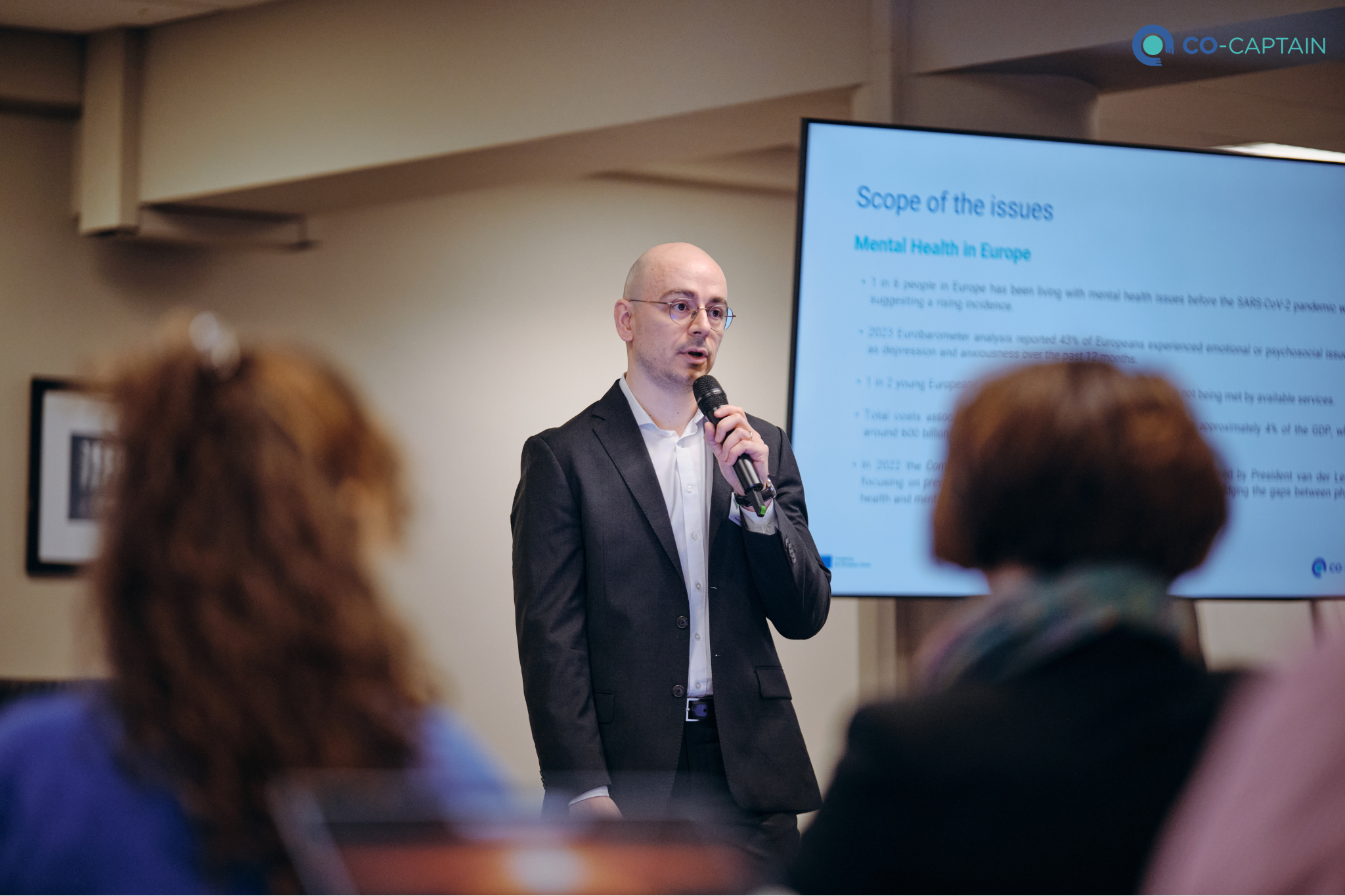
The programme opened with welcoming remarks from Dr. Igor Grabovac (Medical University of Vienna) and Liuska Sanna (Mental Health Europe), followed by an overview of the CO-CAPTAIN project and its rationale. Dr. Grabovac introduced the concept of Patient Navigation for cancer prevention linked to mental health, setting the scene for the presentation of key results by Vicky Bempi (Prolepsis Institute) and Ascensión Doñate Martínez (Universitat Politècnica de València).
A particularly impactful moment of the session was the inclusion of testimonials from programme beneficiaries, with participants from the Austria and Poland pilot sites sharing their personal experiences and highlighting the real-life impact of the navigation model.
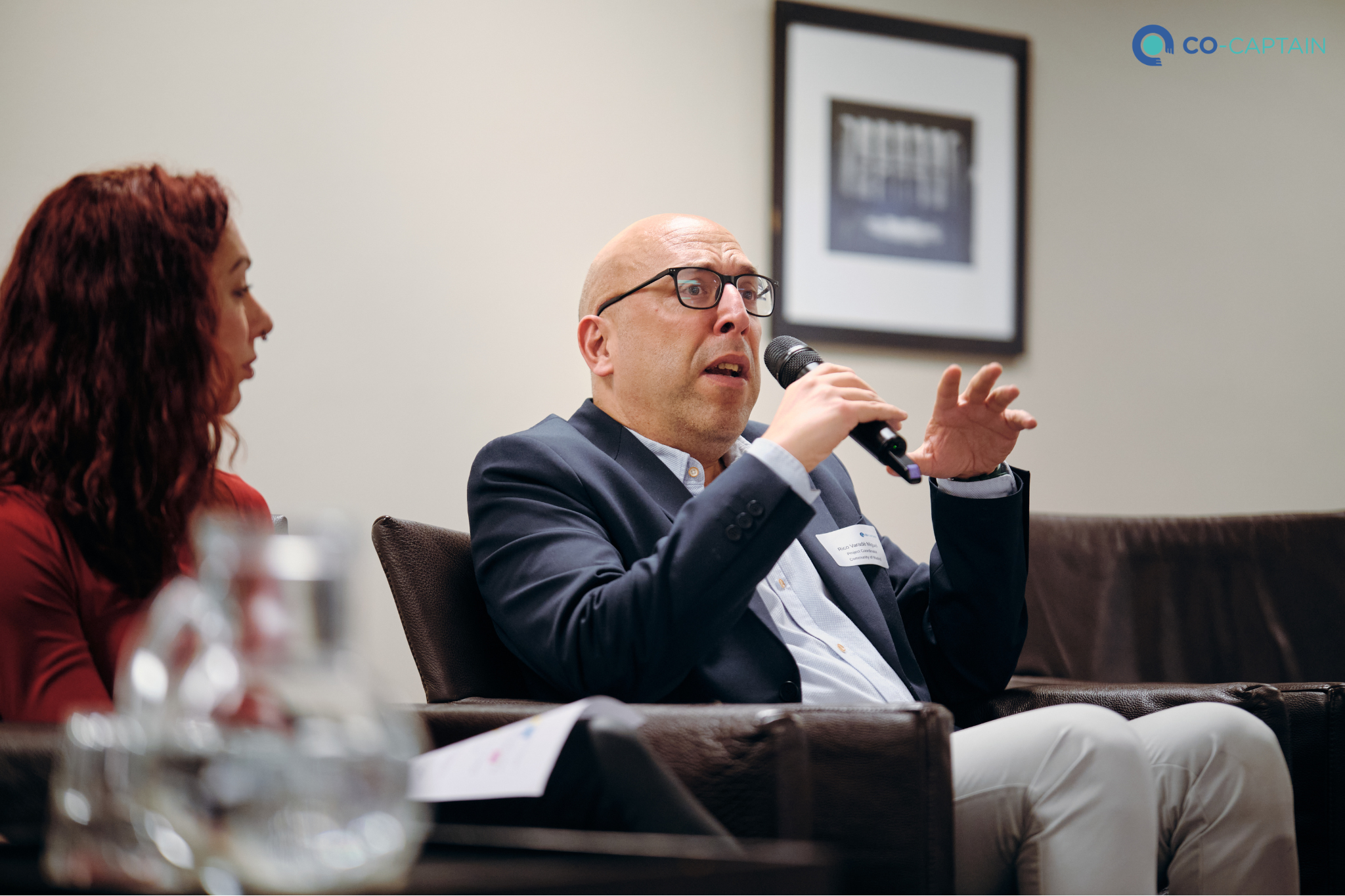
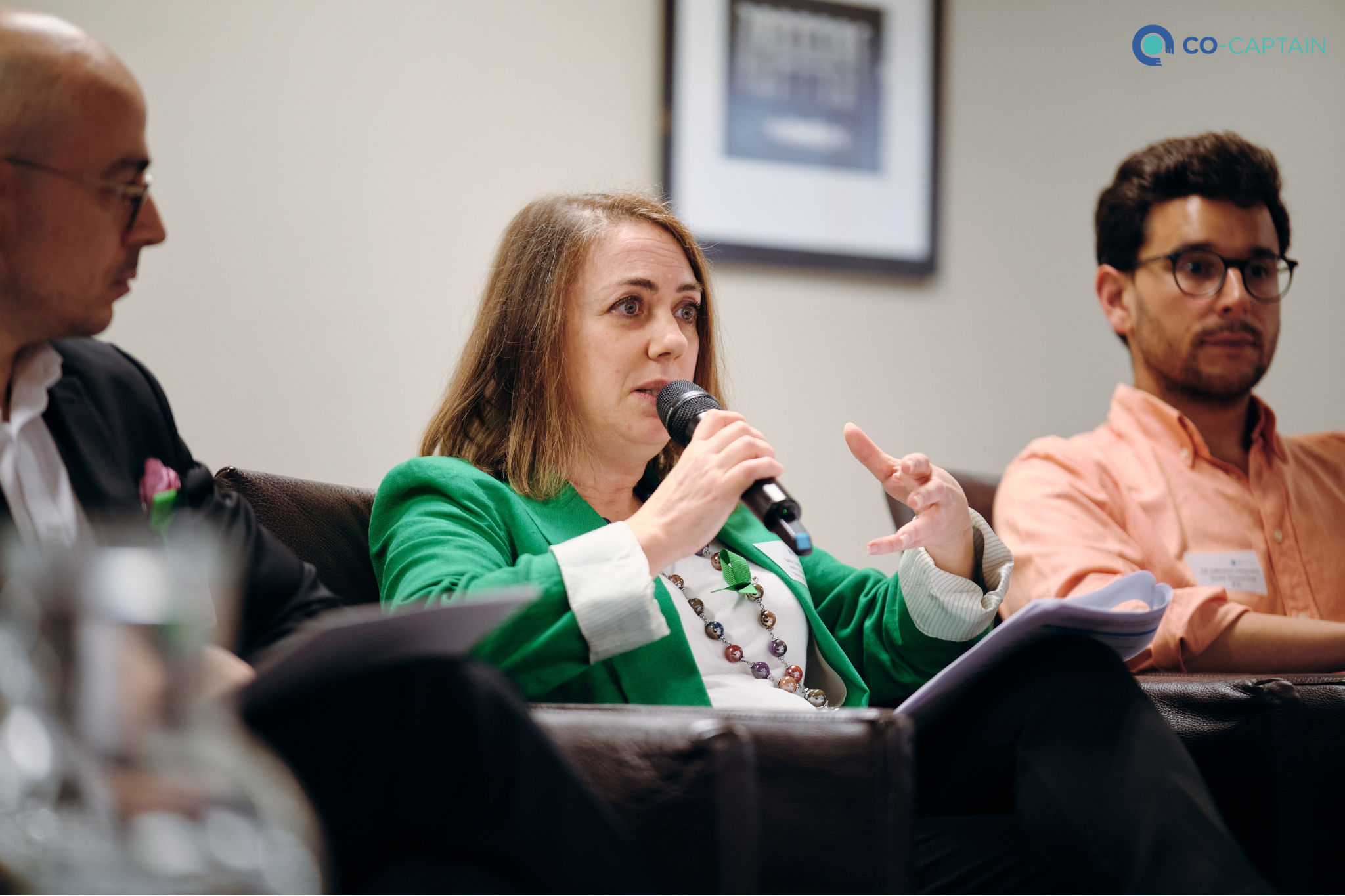
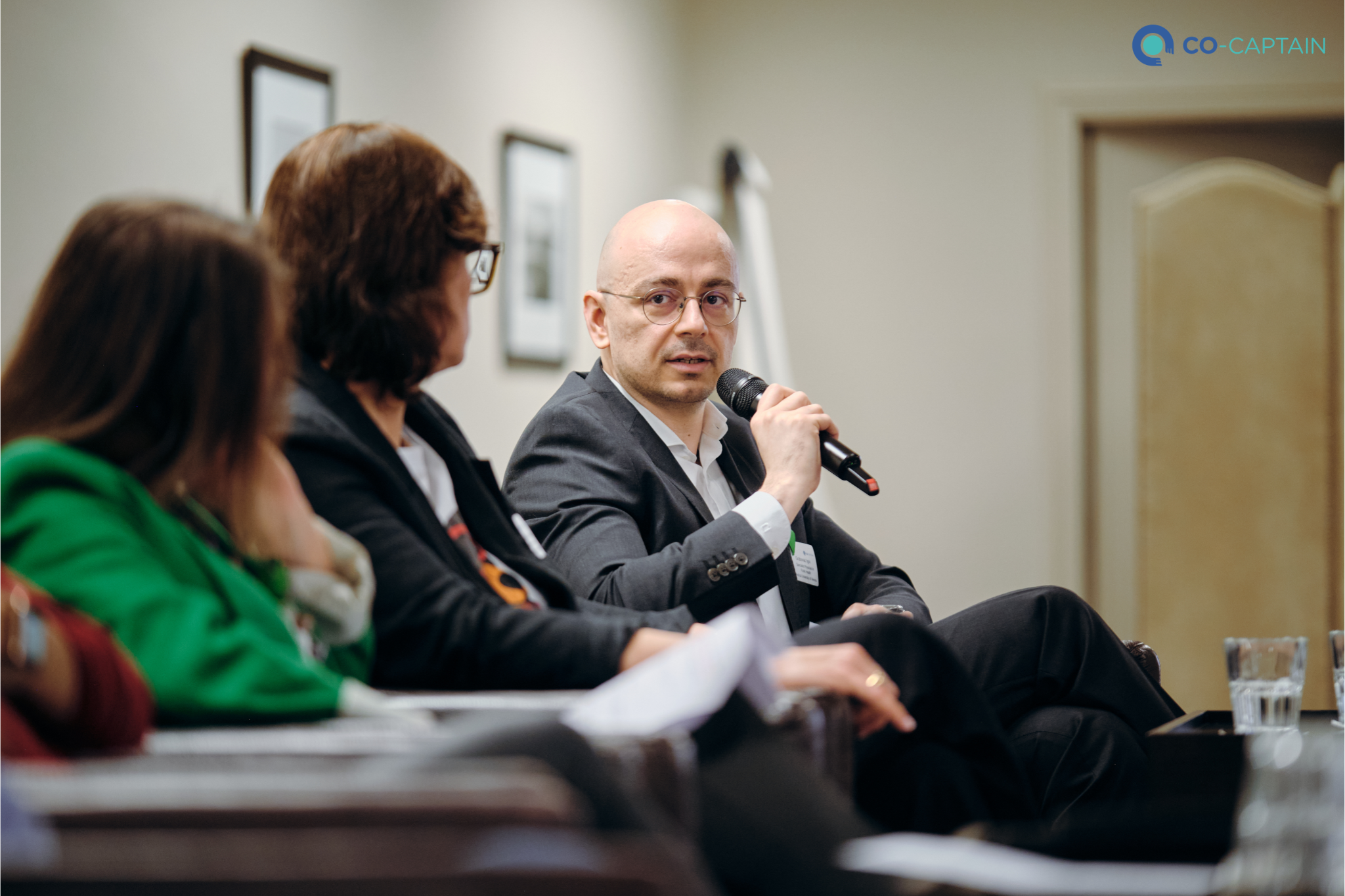
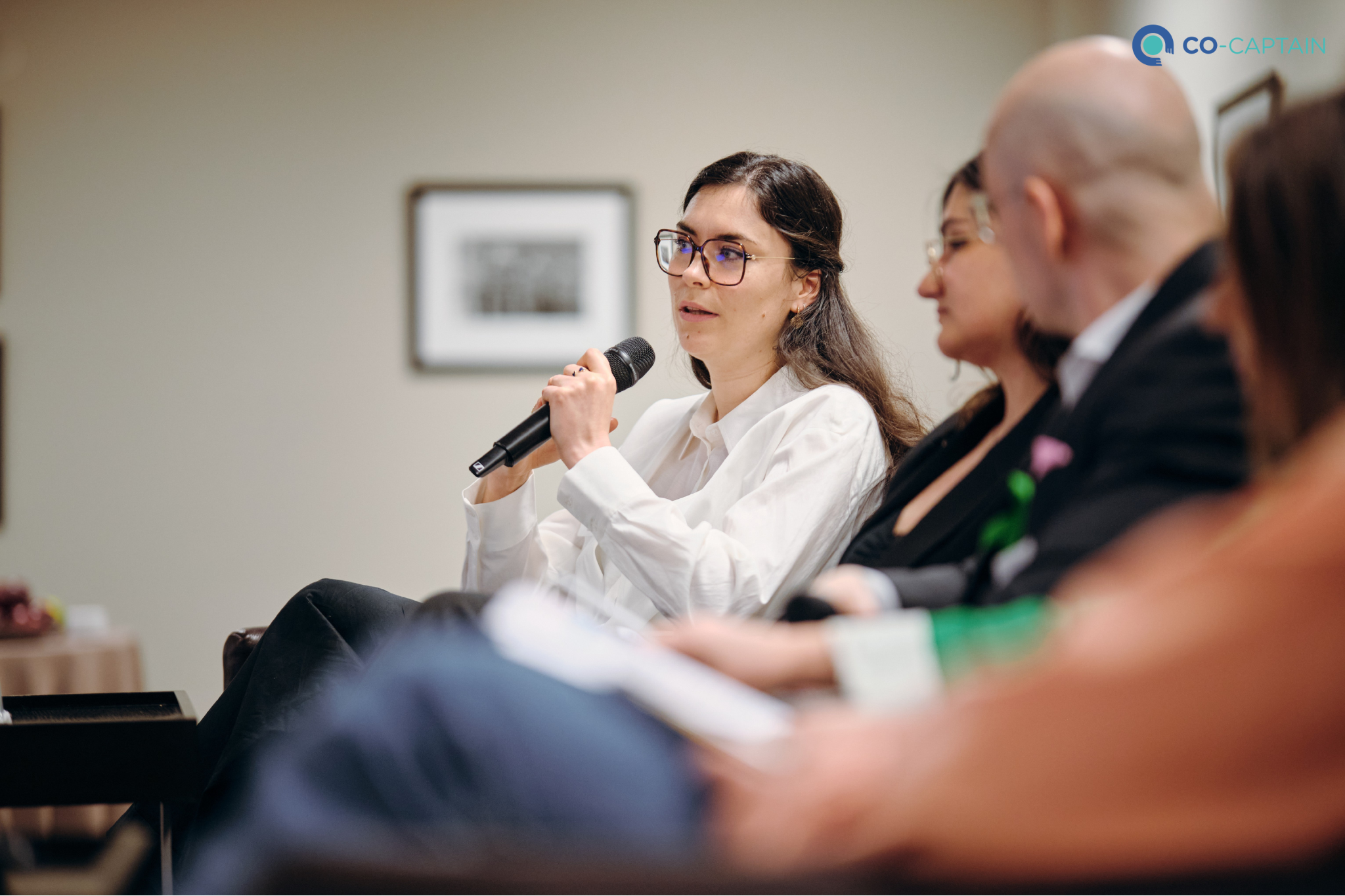
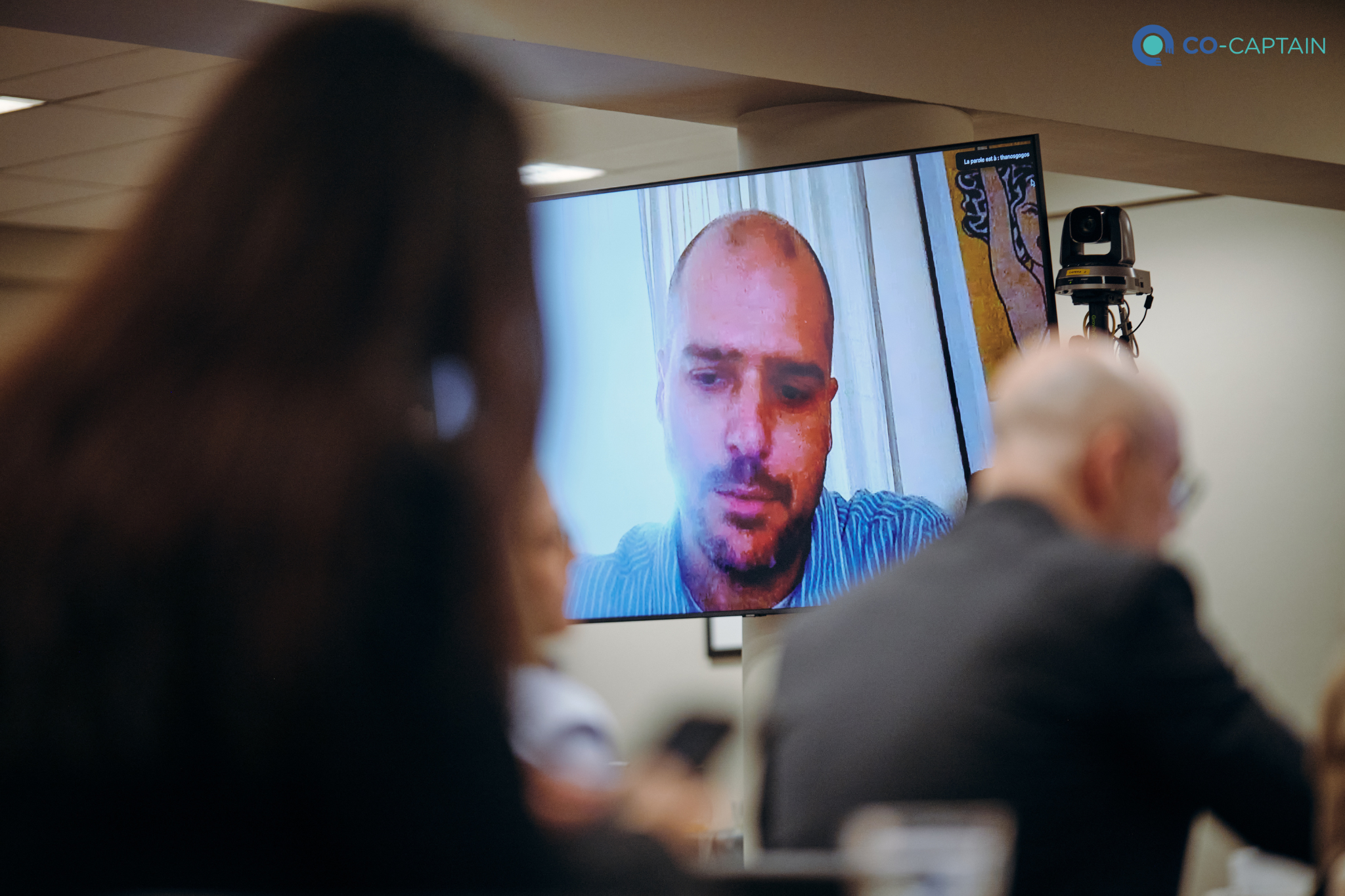
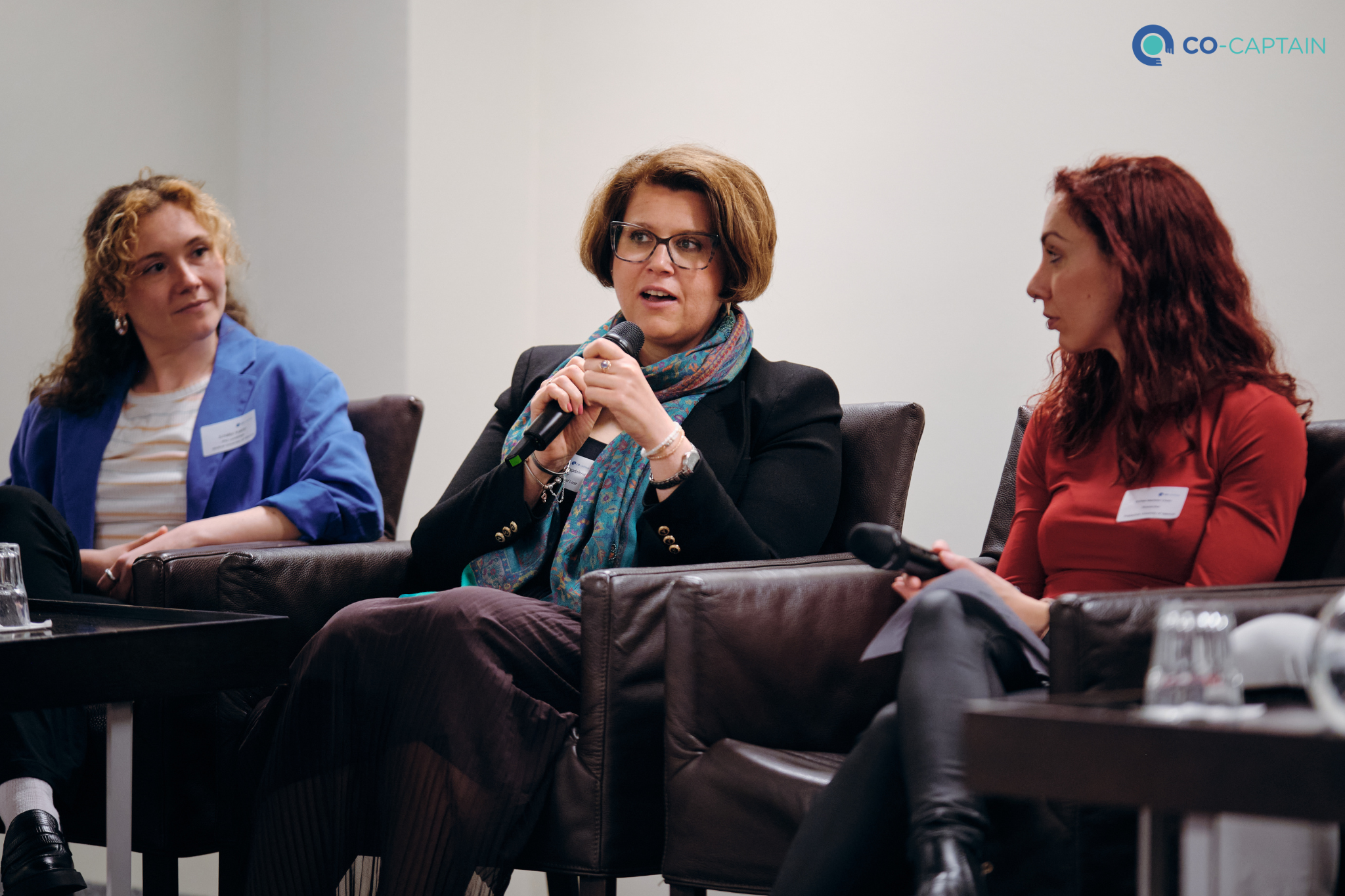
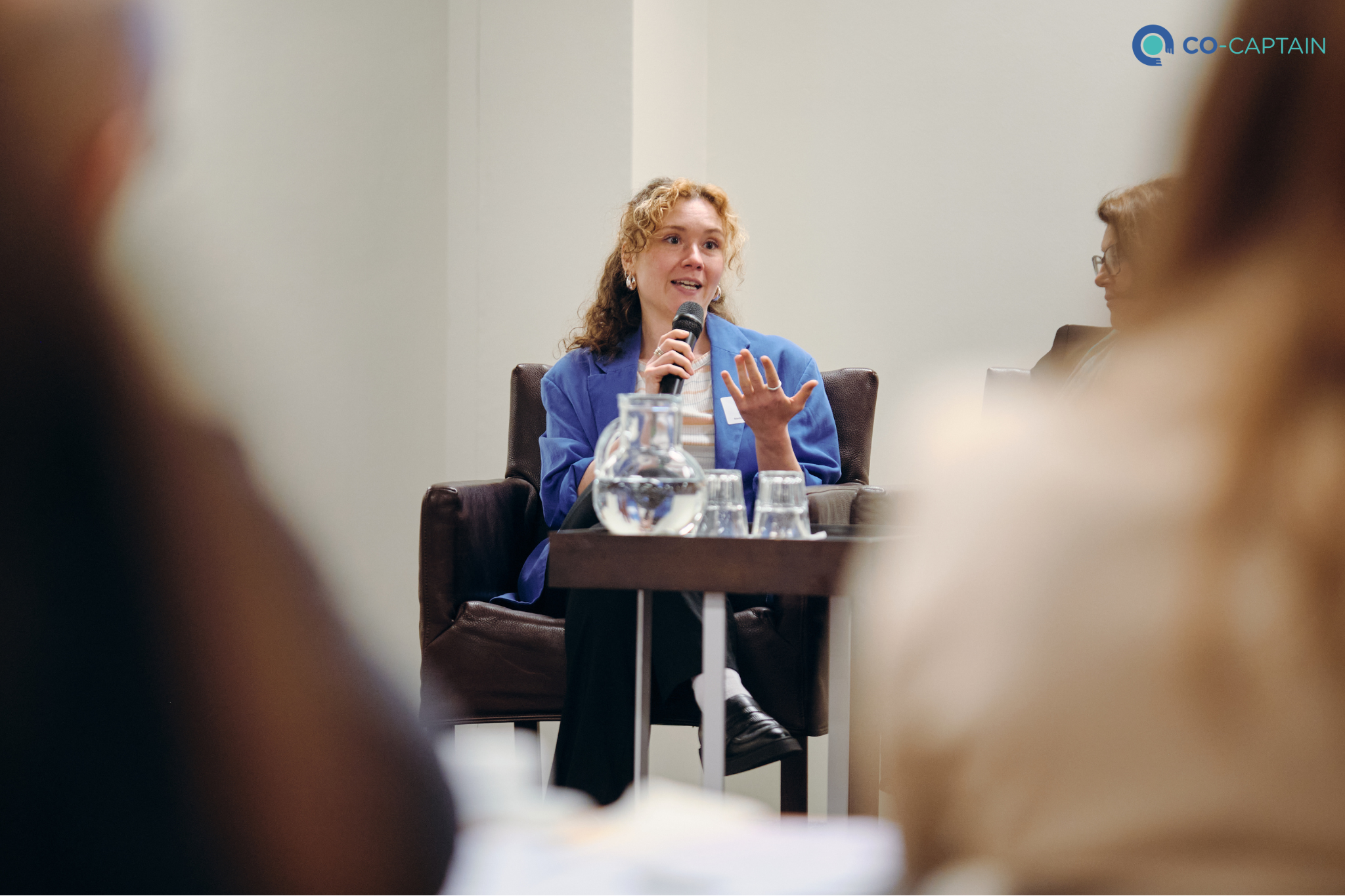
The discussion then moved to a panel on the role of the navigation model, bringing together representatives from the four pilot countries: Magdalena Wrzesińska (Medical University of Łódź, Poland), Katrin Schäfer (Medical University of Vienna, Austria), Thanos Gogos (UMHRI, Greece) and Miguel Rico Varadé (General Directorate of Social Services. Council of Family, Youth and Social Affairs. Community of Madrid, Spain). The panel explored the opportunities, challenges and added value of implementing Patient Navigation in different national contexts.
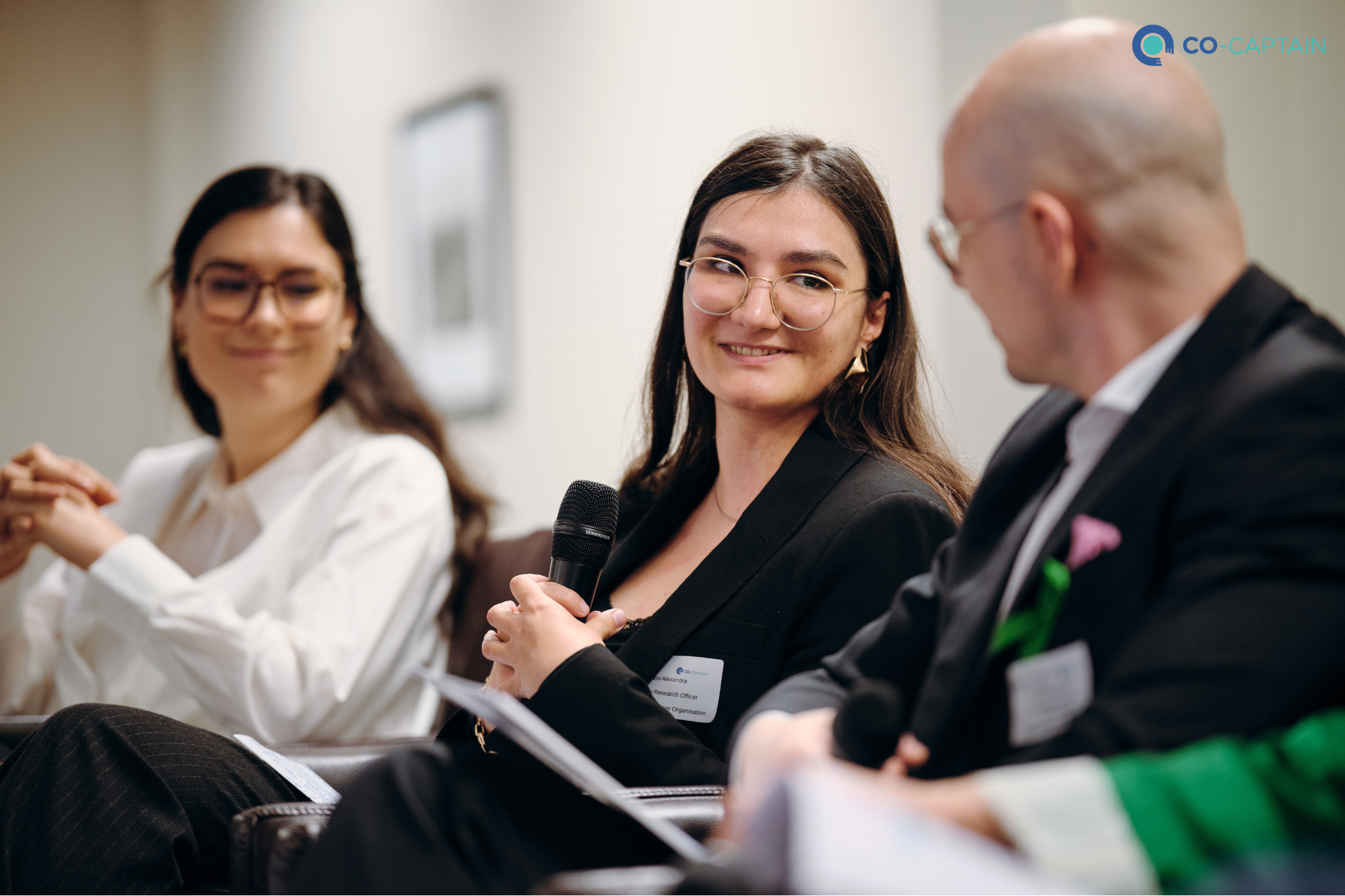
The final part of the conference focused on the policy dimension, with Alejandro Gil-Salmerón (International Foundation for Integrated Care) presenting the first steps towards the project’s policy recommendations. This was followed by a panel debate with Alexandra Eni (European Cancer Organisation), Josephine Mosset (Cancer Patients Europe) and Liuska Sanna (Mental Health Europe), who discussed how to support the adoption of the navigation model at both EU and national levels.
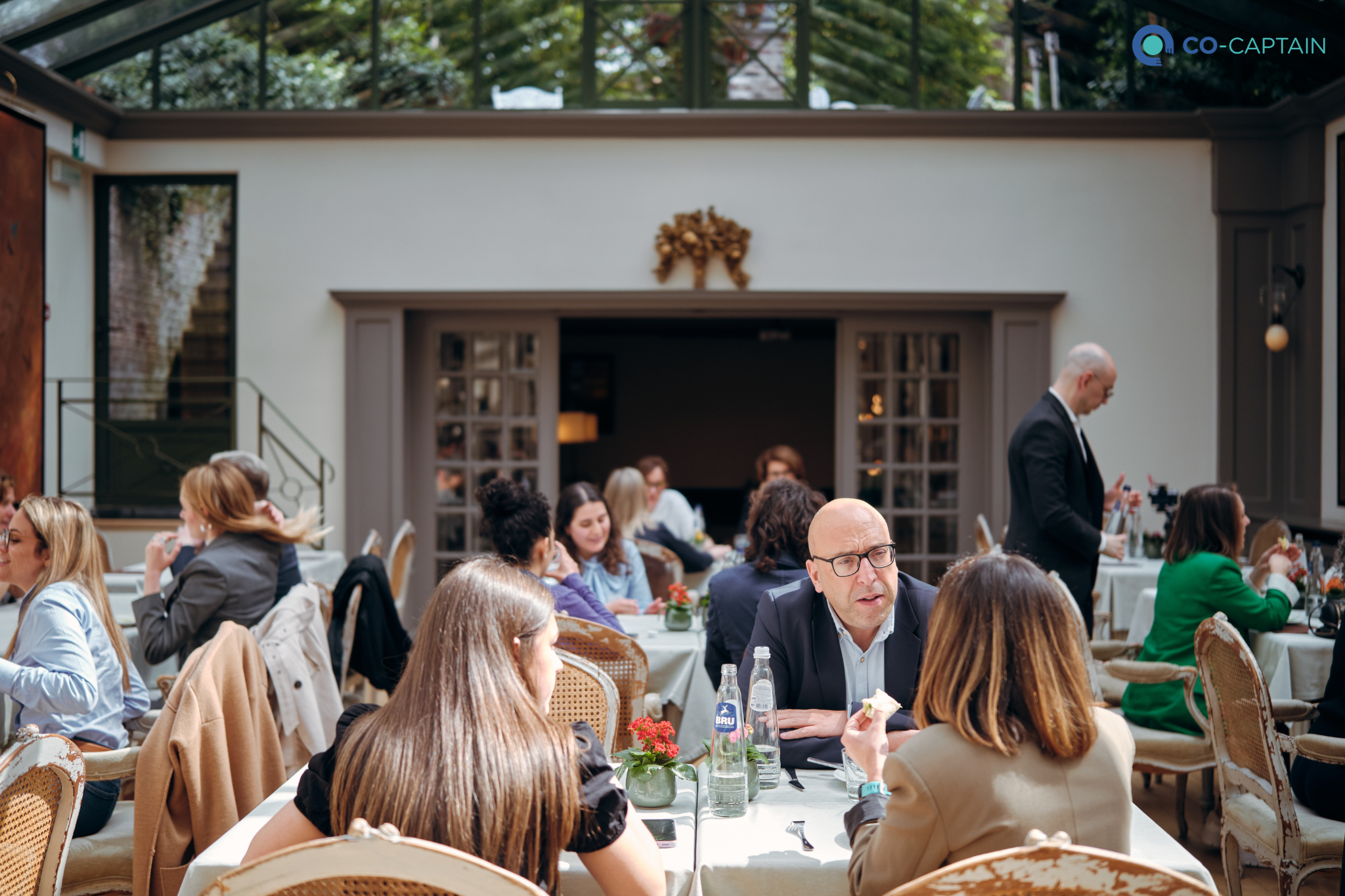
The event concluded with a closing session and a networking lunch, offering participants the opportunity to exchange views, strengthen collaborations and continue discussions beyond the formal programme.
Overall, the CO-CAPTAIN Final Conference marked a successful milestone for the project, showcasing its achievements and reinforcing the importance of integrated, person-centred approaches to cancer prevention for people experiencing mental ill-health.